Spotting the early warning signs
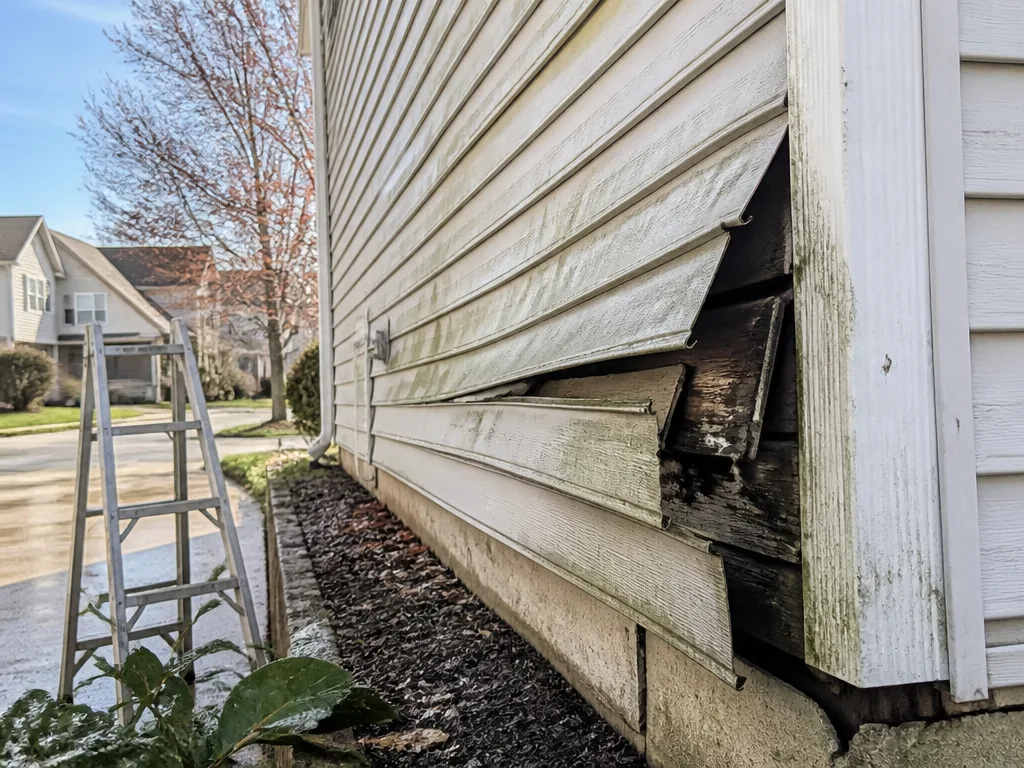
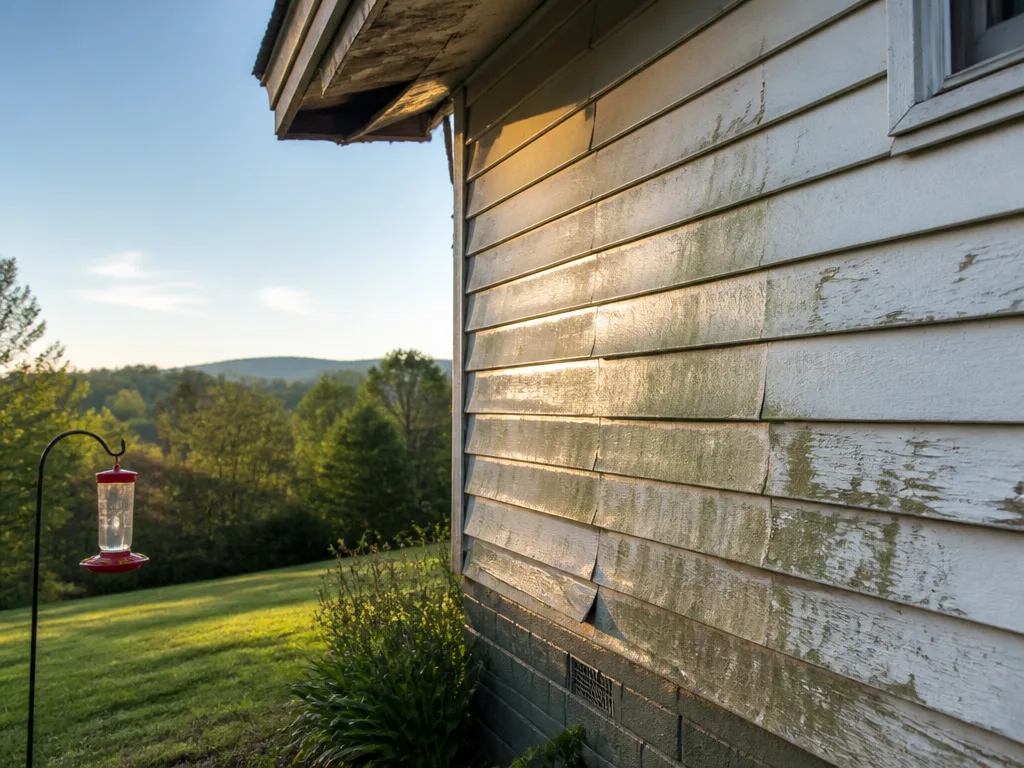
Across Virginia, siding takes a beating from sun, humidity, and seasonal temperature swings. A good starting point is to walk around your home and look for obvious changes. Peeling paint or fading color can indicate moisture behind the siding. If boards look warped or loose, that’s a red flag that water may be sneaking in behind the cladding. Even a few small cracks can let in air and moisture, and over time that adds up to bigger problems.
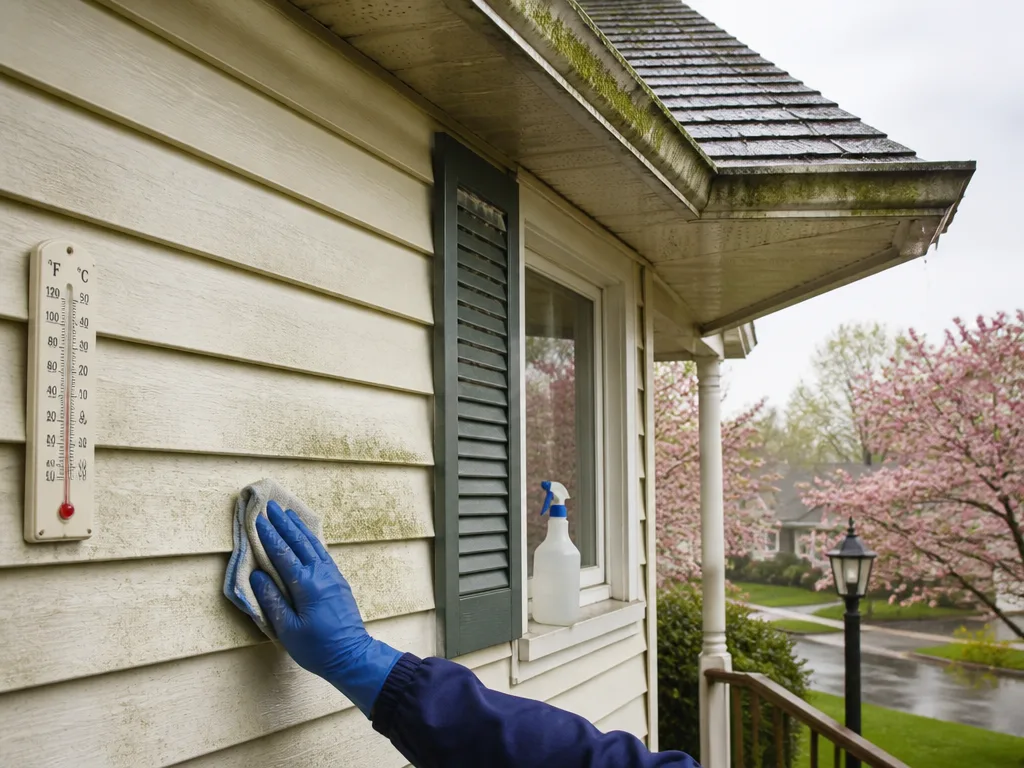
Moisture left untreated often shows up in more subtle ways. Look for dark staining on the surface, moldy patches, or a musty smell near exterior walls. In Virginia, higher humidity in late spring and summer means these signs can appear quickly after rain events. A telltale indicator that moisture is the culprit is a repeating cycle of damp spots after rain, then dry patches that reappear after the next storm.
What the signs mean for your siding
Peeling paint often hides an underlying moisture issue. When siding fibers absorb water, they swell and lose their grip, causing panels to loosen. Warped boards reduce the protective seal and invite more water intrusion. If you notice nails or fasteners showing through, the siding has likely moved and may need realignment or replacement. Virginia crews see this pattern often after a harsh winter followed by heavy spring rain.
Discoloration and staining are not just cosmetic. They can indicate underlying rot or fungal growth in wood-based siding or trapped moisture in fiber cement. If you catch these signs early, it’s easier to address the root cause before structural damage develops. Our team at Virginia Insulated Siding recommends a careful inspection to determine if a cleaning, resealing, or panel replacement is needed.
How a siding specialist assesses the issue
A siding specialist begins with a visual scan and then checks for moisture behind the panels. We test for loose boards, check flashing around windows and doors, and inspect the soffits and eaves for signs of water intrusion. In Virginia, seasonal shifts can push fasteners loose; in most cases the fix involves resealing edges, re-fastening panels, and sometimes replacing damaged sections.
Because issues can hide behind the surface, our team will verify there is no concealed rot or insulation damage. If moisture has already penetrated, a more thorough repair plan is needed. A professional assessment from Virginia Insulated Siding gives you a clear understanding of what needs to be repaired, replaced, or resealed, with options that fit your home and budget.
Quick steps you can take now
- Keep gutters clean and ensure downspouts direct water away from the siding.
- Check for loose or bubbling panels after heavy rain and note where they occur.
- Look for discolored streaks or soft spots along the siding and remember where you saw them.
These checks won’t replace a professional inspection, but they help you catch trouble early. If you see persistent moisture signs or warped panels, contact a siding specialist for a thorough evaluation. Across Virginia, a proactive inspection saves homeowners time and helps keep cladding in good condition longer.