Understanding the line between DIY and professional help
Across Virginia, homeowners can handle basic upkeep like a light cleaning and minor caulking. Those tasks are doable if you have a steady hand and the right tools. But siding work involves more than surface cleaning. Subtle moisture behind boards or hidden rot calls for a trained eye. A siding specialist understands how to assess moisture, flashing, and ventilation properly while protecting your finish from damage during the process.
When you’re not sure what’s behind the surface, it’s safer to call in a pro. A quick survey by Virginia Insulated Siding can determine whether a simple cleaning is enough or if panels need to be reseated, resealed, or replaced. A wrong DIY move can trap moisture or warp other panels, increasing repair cost later.
Typical DIY tasks you can handle safely
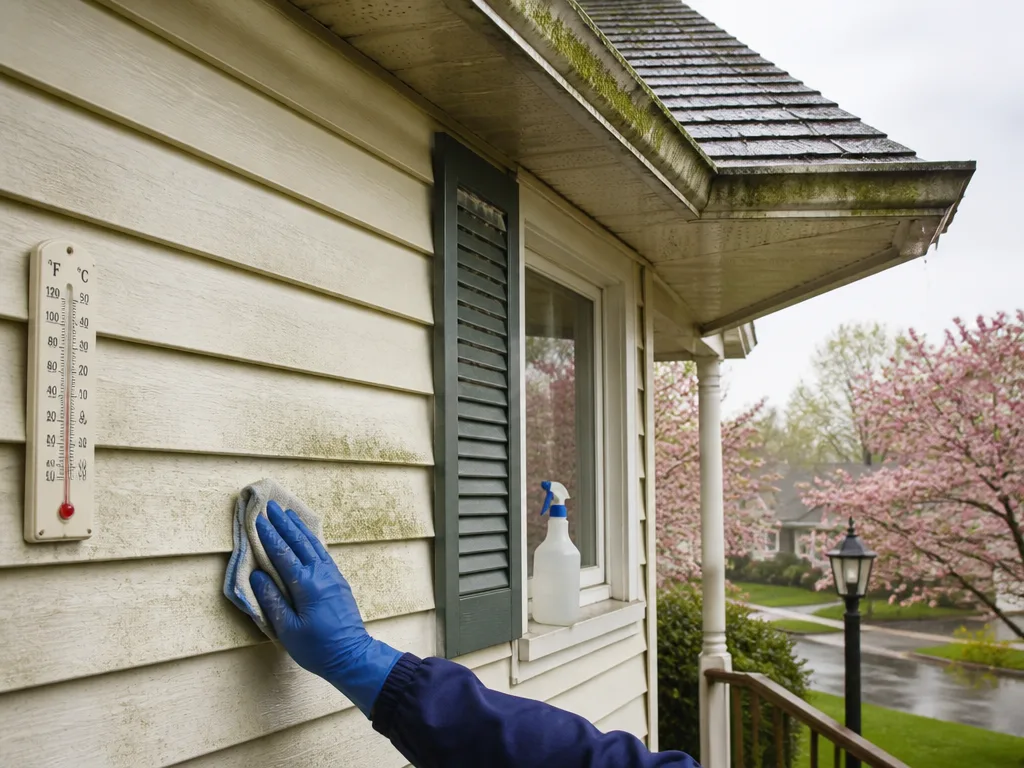
If you’re comfortable with basic exterior work, you can do the following without hiring a pro: wash the siding with a mild detergent and soft brush, remove loose debris from corners and seams, and inspect for obvious damage after big storms. Use a steady ladder setup and wear eye protection. Keep kids and pets away from the work zone and avoid power washers that blast water behind the siding.
Before you attempt any climb or reach, remember that safety comes first. If you’re unsure about your ladder setup or the height of your home, step back and call a siding specialist. Virginia Insulated Siding serves homeowners statewide and can provide guidance on whether a visit is needed to inspect behind the scenes before any DIY step.
When to call a siding specialist
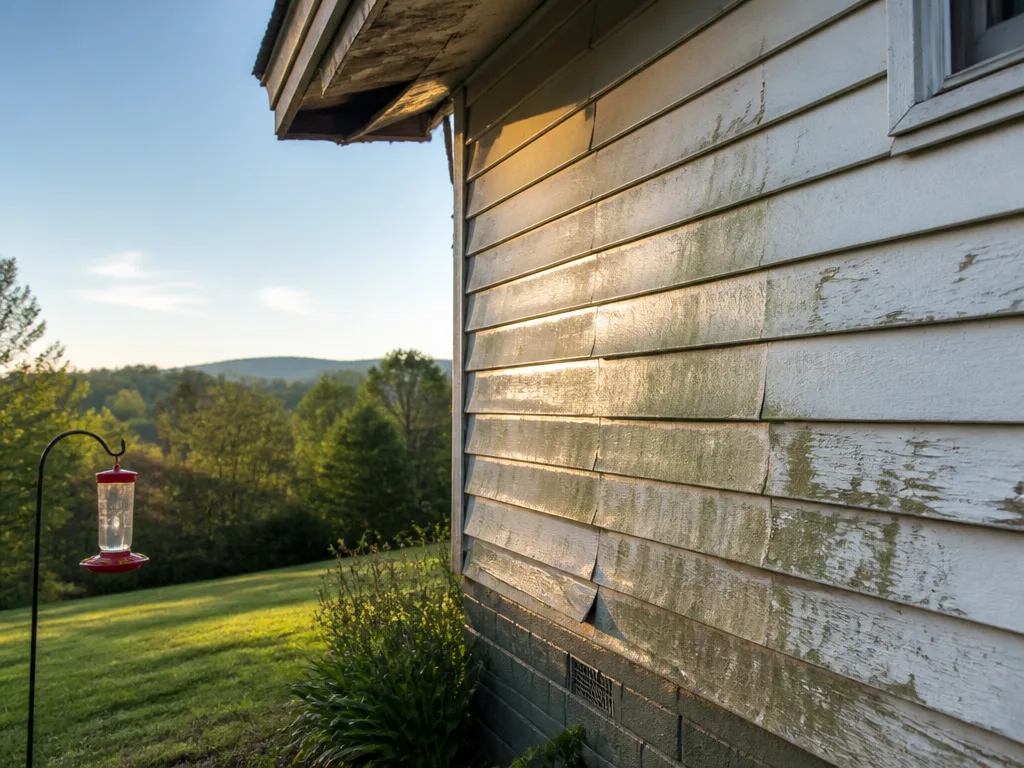
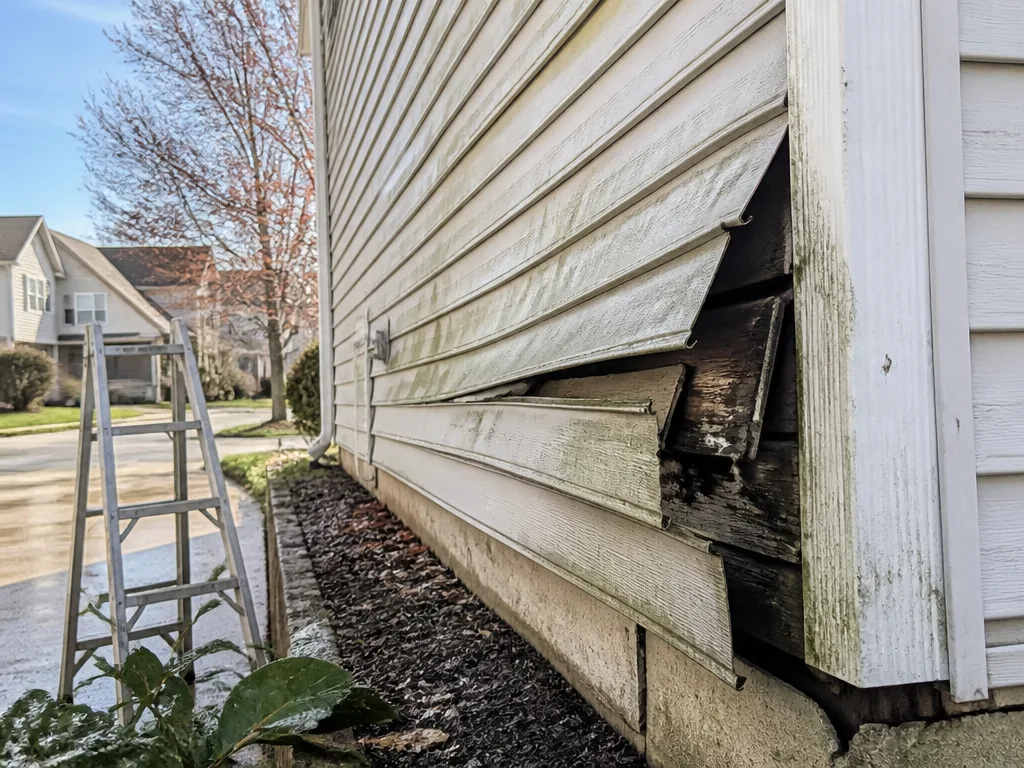
Call a pro if you notice: loose or bulging panels, repeated staining, or if you see moisture inside the siding seams after rain. If you’ve tried cleaning and still see mold or damp areas, that’s a signal to bring in a professional. We’ll assess for rot, flashing integrity, and proper drainage around the home so you get a clear plan that protects your investment across Virginia.